


- Industries
- Products
Improving Worker Safety in Extreme Environments Through Connected Communications
Whether you’re working through Australia’s scorching summers or New Zealand’s brisk, changeable seasons, environmental conditions can significantly impact worker safety and performance. Land Mobile Radio (LMR) communications is a vital layer in workplace safety.
Extreme temperatures create challenges that extend well beyond worker comfort. Heat, cold, fatigue and isolation all affect how people perform in the field, increasing the likelihood of incidents and making emergency response more difficult when something goes wrong.
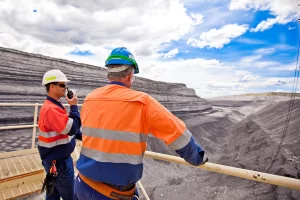
Across Australia and New Zealand, many workers operate in environments where immediate assistance may not be readily available. Mining, utilities, energy, transport, local government and infrastructure teams often work across large geographic areas, in isolated locations or under conditions that can change rapidly throughout a shift.
In these environments, communication plays an important role in managing risk. It helps workers maintain contact with supervisors and colleagues, supports check-in procedures and provides a reliable means of requesting assistance when conditions deteriorate or an incident occurs.
Today’s Land Mobile Radio (LMR) systems build on this foundation by combining reliable voice communications with safety-focused capabilities designed to help identify incidents, locate personnel and support a coordinated response.
Environmental Conditions Can Reduce a Worker’s Ability to Respond
The risks associated with extreme weather are often gradual rather than immediate.
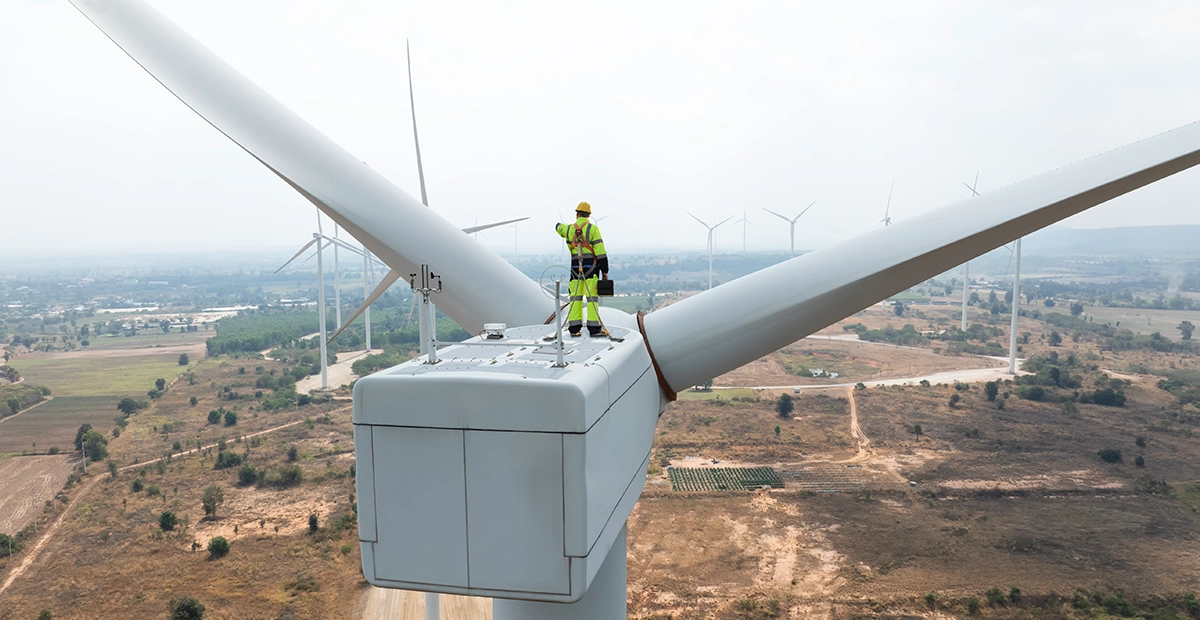
In high-temperature environments, workers may experience dehydration, fatigue, reduced concentration and heat stress. In colder conditions, dexterity can deteriorate, reaction times may slow and physical exhaustion can set in more quickly. The effects are often compounded when workers are operating alone or undertaking tasks away from direct supervision.
A challenge for many organisations is that incidents are not always witnessed. A worker may become incapacitated, suffer a fall or simply be unable to access a radio and verbally request assistance.
This is where communication systems can contribute to worker safety beyond routine voice calls.

From Communication Device to Safety Tool
Modern Motorola Solutions two-way radios incorporate a range of features designed to support workers operating in hazardous or remote environments.
Rather than relying solely on the user to initiate an emergency call, these systems can be configured to automatically generate alerts when specific conditions occur.
Common safety functions include:
- Lone Worker monitoring, which requires users to acknowledge periodic prompts
- Man Down functionality that detects a fall, unusual radio angle or prolonged inactivity
- Emergency alert activation through a dedicated button
- GPS location reporting
- Automatic audio transmission during alarm events
- Integration with dispatch and control room applications
When combined with clear operating procedures, these capabilities provide a practical method for identifying situations where a worker may need assistance, even when they are unable to communicate directly.
Why Integration Matters
Generating an alarm is only part of the process.
For a safety event to be managed effectively, the alert must be received by the right people, presented with sufficient information and incorporated into established response procedures.
This is why many organisations integrate radio networks with dispatch consoles, command centre platforms and incident management systems. When an alarm is raised, operators can immediately identify the affected worker, view available location information and follow defined escalation processes.
The value of integration becomes particularly apparent in large operations where personnel may be spread across multiple sites, workgroups or geographic regions. A coordinated response depends on accurate information and the ability to share that information quickly.
From a solution-design perspective, the radio, network, software platform and operating procedures should all be considered together rather than as separate elements.

A Practical Example
Consider a technician conducting maintenance work alone at a remote site.
Throughout the shift, their portable radio is configured with Lone Worker monitoring and GPS location services. If the worker becomes affected by heat stress, suffers a fall or otherwise becomes unable to respond to routine check-ins, the radio can automatically escalate an alert.
Depending on system configuration, the alarm may transmit the worker’s location, generate notifications within a dispatch application and activate an emergency audio channel. Supervisors or control room personnel can then assess the situation, identify the worker’s location and coordinate an appropriate response without relying on another worker discovering the incident.
While every incident is different, the value of these systems lies in reducing the time between an event occurring and assistance being mobilised.
Designing Communications for Extreme Environments
When communication systems are being evaluated for safety-critical operations, there are several considerations beyond basic coverage requirements.
These include:
- Reliability across the full operating area
- Support for Lone Worker and Man Down functionality
- GPS-enabled location services
- Integration with dispatch and command centre applications
- Emergency alert workflows and escalation paths
- Device durability and environmental ratings
- Battery performance in extreme temperature conditions
- Ongoing testing and user training
A solution that performs well in a metropolitan environment may not deliver the same results when deployed across remote infrastructure corridors, resource operations or geographically dispersed field teams.
System design should always reflect the operational environment, expected workflows and response requirements of the organisation.
Communication as Part of a Broader Safety Strategy
No single control can eliminate the risks associated with extreme heat, cold or remote work. Effective safety management relies on a combination of planning, procedures, training and technology.
Communication systems are one component of that broader approach, providing a means to maintain contact with personnel, monitor worker status and support incident response when assistance is needed.
As organisations continue to focus on worker safety in demanding environments, the role of LMR technology extends beyond voice communications alone. When appropriately designed and integrated, modern radio systems can provide critical situational awareness and help organisations respond more effectively when conditions do not go according to plan.
Contact Logic Technologies to discuss how worker safety features can be incorporated into a communication solution.
- Products