
Author Archive

Behind the Customer Experience: Technology Considerations for Tourism, Hospitality and Retail Environments

Tuesday, September 1st, 2026
From staff coordination and incident response to operational visibility, tourism, hospitality and retail organisations are taking a broader view of the technologies that support frontline teams and the customer experience.

Hotels, retail centres, entertainment venues and tourism operators all face a common challenge: supporting frontline teams in fast-moving environments while maintaining a positive customer experience. Communication, safety and security systems play an important role in meeting this challenge, particularly as operations become more complex and customer expectations continue to grow.

What customers see is often only a small part of the operation. Behind the scenes, staff are coordinating activities across multiple locations, responding to incidents, managing changing priorities and sharing information in real time. The effectiveness of these processes can have a direct impact on service delivery, operational efficiency and workplace safety.

As a result, technology decisions are increasingly being shaped by the broader operational outcomes rather than individual product features.

Hotel attendant smiles at a guest off camera with a Motorola Solutions V200 Body Worn Camera clipped to their lapel.

Communication That Fits the Environment

Communication requirements vary significantly across tourism, hospitality and retail settings. A hotel may need to coordinate housekeeping, maintenance and guest services teams across several floors. Retail staff may be balancing customer enquiries, stock movements and security concerns, while tourism operators often support teams working across large or geographically dispersed sites.

Increasingly, organisations are focusing not only on coverage or capability, but on how communication tools fit within day-to-day workflows. Audio clarity, comfort during long shifts, ease of use and reliability in busy environments can have as much influence on adoption as technical specifications. Even the most capable system delivers limited value if frontline staff are reluctant to use it consistently.

Organisations may invest in capable systems, but if users find devices uncomfortable, difficult to use or disruptive to their daily tasks, they can deliver limited value.

Managing Incidents Without Disrupting Operations

Most organisations have established procedures for managing incidents, but their effectiveness often depends on how quickly information can be shared and acted upon.

Whether dealing with a medical event, lost child, disruptive customer or security concern, staff are frequently required to make decisions with limited information and little time to assess the situation. In these moments, communication, visibility and coordination become closely linked.

One trend becoming more apparent across customer-facing environments is the growing overlap between communications, safety and security. Rather than treating them as separate operational functions, organisations are increasingly looking at how these systems can work together to support a more coordinated response.

Visibility Supports Better Decisions

Many operational challenges develop gradually rather than appearing as isolated incidents.

A queue begins to build at a service counter. An area becomes unexpectedly crowded. An issue reported by one team starts affecting another part of the operation. Identifying these changes early often allows managers to make adjustments before they have a noticeable impact on customers.

This has placed greater emphasis on visibility across operations. Access to timely, relevant information can support staffing decisions, resource allocation and incident management, while also helping organisations review events and identify opportunities for improvement.

As organisations collect more operational information, the challenge is increasingly becoming one of prioritisation rather than availability. The focus is shifting towards providing staff and supervisors with meaningful information that can be shared, understood and acted upon, rather than simply increasing the volume of data available.

The Shift Towards Connected Systems

One of the more notable trends across customer-facing sectors is the move towards greater integration between operational technologies.

Historically, communications, security and incident management systems were often implemented independently. While these solutions continue to perform important functions, organisations are increasingly looking at how information can flow more effectively between systems and teams.

This approach can improve awareness, reduce duplication and help create more consistent operational processes. In many cases, it does not require a complete technology overhaul. Instead, organisations are looking at how existing capabilities can be better connected and aligned with broader operational objectives.

For resellers and technology partners, these conversations increasingly centre on workflows and outcomes rather than standalone devices or platforms.

A Practical Approach to Technology Investment

Customer-facing organisations rarely have the luxury of implementing technology for technology’s sake. Investment decisions are typically influenced by budget, staffing, operational requirements and the realities of day-to-day service delivery.

As a result, the most effective solutions are often those that address specific operational challenges while fitting naturally into established workflows.

Questions such as these are often more valuable than comparing feature lists:

  • How do frontline teams communicate during busy periods?
  • What information do staff need access to in order to perform their roles effectively?
  • How are incidents reported, managed and reviewed?
  • Where do communication or visibility gaps currently exist?
  • Can existing systems be leveraged more effectively before introducing new technologies?

These considerations can help organisations identify investments that deliver meaningful operational improvements rather than simply adding complexity.

Connecting Technology to Operations

As customer-facing environments continue to evolve, the underlying challenges remain largely unchanged. Staff need to stay connected, managers need visibility across operations and organisations need practical ways to support safety, service quality and operational efficiency.

The technologies supporting these outcomes will continue to develop, but successful deployments are typically driven by a clear understanding of operational requirements rather than a focus on any single product or platform.

For organisations across tourism, hospitality and retail, the opportunity lies in taking a broader view of how communication, safety and security capabilities work together to support both frontline teams and the customer experience.

Logic Technologies helps partners navigate communications, safety and security technologies across a range of industries. Get in touch to discuss customer requirements, solution considerations and the latest developments shaping customer-facing environments.

Posted in Uncategorized

Improving Worker Safety in Extreme Environments Through Connected Communications

Monday, July 13th, 2026

Whether you’re working through Australia’s scorching summers or New Zealand’s brisk, changeable seasons, environmental conditions can significantly impact worker safety and performance. Land Mobile Radio (LMR) communications is a vital layer in workplace safety.

Extreme temperatures create challenges that extend well beyond worker comfort. Heat, cold, fatigue and isolation all affect how people perform in the field, increasing the likelihood of incidents and making emergency response more difficult when something goes wrong.

Across Australia and New Zealand, many workers operate in environments where immediate assistance may not be readily available. Mining, utilities, energy, transport, local government and infrastructure teams often work across large geographic areas, in isolated locations or under conditions that can change rapidly throughout a shift.

In these environments, communication plays an important role in managing risk. It helps workers maintain contact with supervisors and colleagues, supports check-in procedures and provides a reliable means of requesting assistance when conditions deteriorate or an incident occurs.

Today’s Land Mobile Radio (LMR) systems build on this foundation by combining reliable voice communications with safety-focused capabilities designed to help identify incidents, locate personnel and support a coordinated response.

Environmental Conditions Can Reduce a Worker’s Ability to Respond

The risks associated with extreme weather are often gradual rather than immediate.

In high-temperature environments, workers may experience dehydration, fatigue, reduced concentration and heat stress. In colder conditions, dexterity can deteriorate, reaction times may slow and physical exhaustion can set in more quickly. The effects are often compounded when workers are operating alone or undertaking tasks away from direct supervision.

A challenge for many organisations is that incidents are not always witnessed. A worker may become incapacitated, suffer a fall or simply be unable to access a radio and verbally request assistance.

This is where communication systems can contribute to worker safety beyond routine voice calls.

From Communication Device to Safety Tool

Modern Motorola Solutions two-way radios incorporate a range of features designed to support workers operating in hazardous or remote environments.

Rather than relying solely on the user to initiate an emergency call, these systems can be configured to automatically generate alerts when specific conditions occur.

Common safety functions include:

  • Lone Worker monitoring, which requires users to acknowledge periodic prompts
  • Man Down functionality that detects a fall, unusual radio angle or prolonged inactivity
  • Emergency alert activation through a dedicated button
  • GPS location reporting
  • Automatic audio transmission during alarm events
  • Integration with dispatch and control room applications

When combined with clear operating procedures, these capabilities provide a practical method for identifying situations where a worker may need assistance, even when they are unable to communicate directly.

Why Integration Matters

Generating an alarm is only part of the process.

For a safety event to be managed effectively, the alert must be received by the right people, presented with sufficient information and incorporated into established response procedures.

This is why many organisations integrate radio networks with dispatch consoles, command centre platforms and incident management systems. When an alarm is raised, operators can immediately identify the affected worker, view available location information and follow defined escalation processes.

The value of integration becomes particularly apparent in large operations where personnel may be spread across multiple sites, workgroups or geographic regions. A coordinated response depends on accurate information and the ability to share that information quickly.

From a solution-design perspective, the radio, network, software platform and operating procedures should all be considered together rather than as separate elements.

A Practical Example

Consider a technician conducting maintenance work alone at a remote site.

Throughout the shift, their portable radio is configured with Lone Worker monitoring and GPS location services. If the worker becomes affected by heat stress, suffers a fall or otherwise becomes unable to respond to routine check-ins, the radio can automatically escalate an alert.

Depending on system configuration, the alarm may transmit the worker’s location, generate notifications within a dispatch application and activate an emergency audio channel. Supervisors or control room personnel can then assess the situation, identify the worker’s location and coordinate an appropriate response without relying on another worker discovering the incident.

While every incident is different, the value of these systems lies in reducing the time between an event occurring and assistance being mobilised.

Designing Communications for Extreme Environments

When communication systems are being evaluated for safety-critical operations, there are several considerations beyond basic coverage requirements.

These include:

  • Reliability across the full operating area
  • Support for Lone Worker and Man Down functionality
  • GPS-enabled location services
  • Integration with dispatch and command centre applications
  • Emergency alert workflows and escalation paths
  • Device durability and environmental ratings
  • Battery performance in extreme temperature conditions
  • Ongoing testing and user training

A solution that performs well in a metropolitan environment may not deliver the same results when deployed across remote infrastructure corridors, resource operations or geographically dispersed field teams.

System design should always reflect the operational environment, expected workflows and response requirements of the organisation.

Communication as Part of a Broader Safety Strategy

No single control can eliminate the risks associated with extreme heat, cold or remote work. Effective safety management relies on a combination of planning, procedures, training and technology.

Communication systems are one component of that broader approach, providing a means to maintain contact with personnel, monitor worker status and support incident response when assistance is needed.

As organisations continue to focus on worker safety in demanding environments, the role of LMR technology extends beyond voice communications alone. When appropriately designed and integrated, modern radio systems can provide critical situational awareness and help organisations respond more effectively when conditions do not go according to plan.

Contact Logic Technologies to discuss how worker safety features can be incorporated into a communication solution.

Posted in Uncategorized

Motorola Solutions Stock Now Available Locally Through Logic Technologies

Thursday, September 18th, 2025

First shipment arrives at Altona warehouse, giving partners fast, reliable access to mission-critical technology.

Logic Technologies is now fully stocked and ready to support partners across Australia and New Zealand with fast, reliable access to Motorola Solutions technology.

The first shipment of Motorola Solutions equipment has arrived at Logic Technologies’ purpose-equipped facility in Altona, Victoria, marking a major milestone in the company’s launch as a Value Added Distributor. With shelves stocked and systems ready to go, partners can now access the technologies they need without the delays associated with international supply chains.

The initial stock includes a wide range of Motorola Solutions products, such as two-way radios, WAVE PTX products, and accessories, ready for immediate deployment across critical industries.

This is a major step forward for our partners,” said Tau Tan, National Sales Manager at Logic Technologies. “Having Motorola Solutions stock on the ground in Victoria means we can respond immediately to operational needs, reduce lead times and support critical projects without delay.

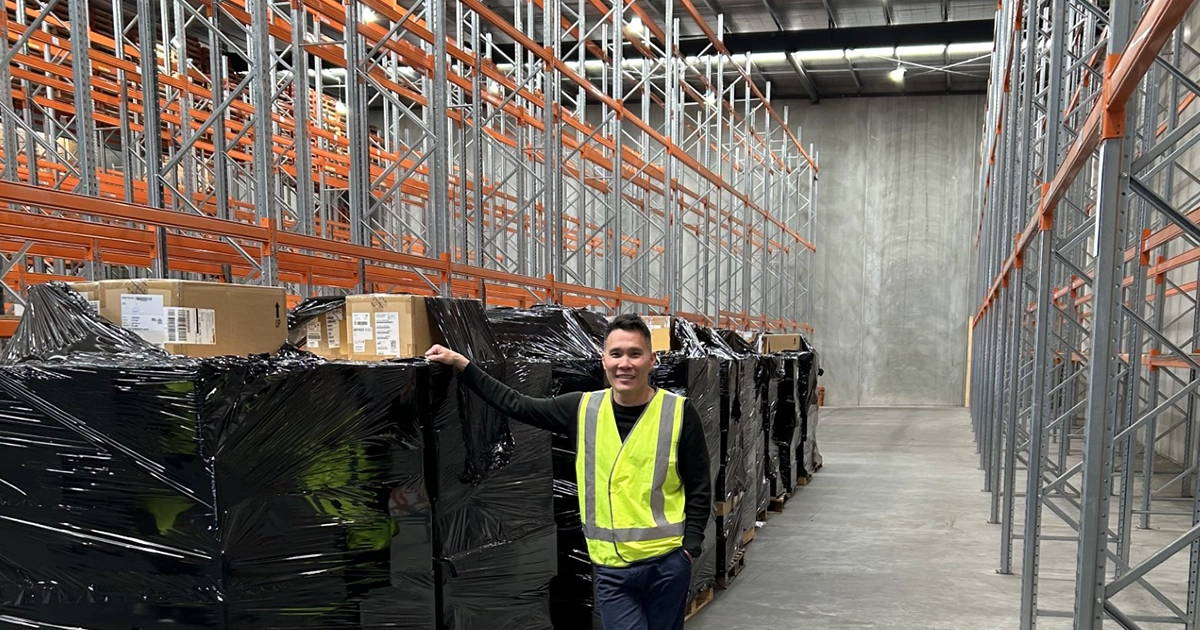
Logic Technologies team member poses with a delivery of stock to an empty warehouse.

Logic Technologies’ local supply gives accredited Motorola Solutions partners a clear edge, helping reduce project risk and respond quickly to operational demands. Whether supporting remote sites or large-scale deployments, the company’s streamlined logistics and continuity of supply ensure partners can deliver with confidence.

As a Motorola Solutions Value Added Distributor, Logic Technologies works closely with industry specialists to deliver end-to-end communications and safety systems tailored to critical sectors including mining, utilities, transport, forestry, security and local government.

The arrival of stock signals that Logic Technologies is fully operational and ready to support its dealer network and industry partners with advanced technologies, deep technical expertise and responsive service.

To learn more or enquire about current stock and partnership opportunities, contact the Logic Technologies team today.

Because when your team is ready, your technology should be too.
Posted in Uncategorized

Introducing Logic Technologies: New Motorola Solutions Value-Added Distributor for Australia and New Zealand

Thursday, September 4th, 2025

Delivering advanced communication and safety technologies with local expertise and end-to-end support.

Logic Technologies has officially launched as a Motorola Solutions Value Added Distributor.

With a purpose-built distribution channel for partners across Australia, New Zealand and the Oceania region to access mission-critical communication and safety technologies, the launch marks a strategic step forward in enabling industries to deploy advanced Motorola Solutions systems that enhance safety, coordination and operational resilience for your customers.

Backed by our global organisation and a global partnership with Motorola Solutions, Logic Technologies provides direct access to a trusted portfolio of technologies, including two-way radios, cellular and push-to-talk systems, video and security systems, software applications and accessories. Our global backing ensures Logic Technologies will support partners with the scale, expertise and responsiveness required to meet complex operational demands.

To support fast deployment and reduce lead times, Logic Technologies operates a purpose-equipped facility in Melbourne, designed specifically to serve our partners’ business needs. With the region’s largest stock of Motorola Solutions products and streamlined logistics, our partners will benefit from continuity of supply and the confidence to deliver without delay.

Partners need more than access to technology—they need confidence in how it’s delivered and supported. At Logic Technologies, our focus is on delivering reliable, high-performance systems through practical technical support, stock availability and a clear focus on helping deliver outcomes that matter. We’re here to support accredited Motorola Solutions partners across the entire solution lifecycle, and we look forward to building strong, lasting partnerships.” said Tau Tan, National Sales Manager, Logic Technologies.

With over 15 years at Motorola Solutions across technical, commercial and channel roles, Tau brings deployment expertise that gives Logic Technologies a distinct edge. His experience working directly with partners and delivering solutions across industries such as transport and logistics, airports, mining, industrial, local government and public safety, means Logic Technologies is equipped to offer practical guidance, strong technical foundations and a clear understanding of what it takes to deliver reliable, fit-for-purpose systems in complex environments.

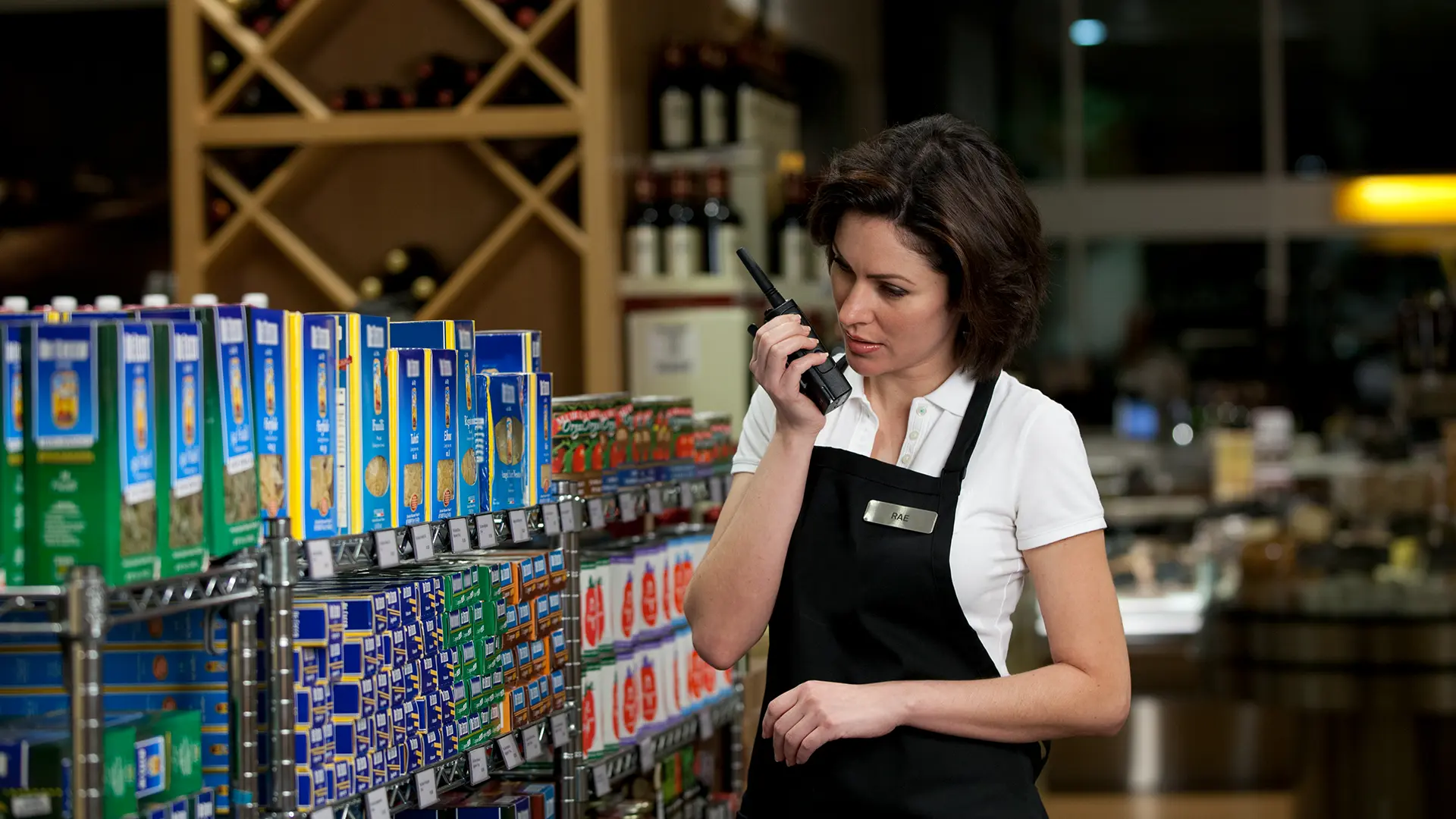
Retail worker uses a Motorola Solutions two-way radio to contact a wider team about stock.

As a Value Added Distributor, Logic Technologies works in close alignment with Motorola Solutions specialists to deliver systems that reflect both global innovation and local realities. This direct engagement ensures that partners benefit from the latest technologies, backed by deep technical insight and responsive service.

Built with long-term continuity in mind, Logic Technologies offers a professionally structured distribution model designed to support Motorola Solutions partners. Our focus is on strengthening partner capability through presales support, technical services and access to Motorola marketing programs delivered through the distribution channel.

Logic Technologies is committed to supporting partners across Australia, New Zealand, Papua New Guinea and the Pacific Islands with systems that help teams stay connected, informed and protected. From initial design and procurement through to installation, training and ongoing maintenance, Logic Technologies provides comprehensive support that equips partners to meet operational demands with confidence, regardless of scale or complexity.

To learn more or enquire about partnership opportunities, contact the Logic Technologies team today.

Where do you want Logic Technologies to help take your business?

Posted in Uncategorized